
For centuries, humanity has marvelled at the raw energy of lightning, nature’s natural plasma. While the concept of man-made plasma has been around for decades, here at IPRI.Tech™ we have truly mastered the art of harnessing this incredible power for releasing incredible value. We do this with UHTP™, Ultra High Temperature Pyrometallurgy™.
Revolutionary Applications of UHTP™ Technology
The basis of Ultra High Temperature Pyrometallurgical™ (UHTP™) technology is a game-changer across various industries, including agriculture, additive manufacturing, and waste processing. What sets us apart is our unparalleled expertise and meticulous application of this advanced tool when applied in the minerals processing arena.
PAO™ and PAD™
In the mining sector we have taken our propitiatory UHTP™ technology and applied it to digestion and oxidation processes:
PAO™ = Plasma Accelerated Oxidation™ is used for high value material like gold, platinum, rhodium etc.
Plasma Assisted Digestion™ – is used for critical minerals such as lithium and rare earths.
UHTP™’s Untapped Potential in Mineral Processing
In the realm of mineral processing, UHTP™ holds the promise of remarkable breakthroughs. However, this field remains challenging and elusive for those without deep, specialised knowledge. Our mastery allows us to unlock full potential, achieving extraordinary results with UHTP™.
UHTP™’s Technology: Leading the Way in Efficiency
For mineral processing, our proprietary UHTP™ technology stands unrivalled. UHTP™ ensures uniform particle treatment and boosts production rates significantly. Unlike others limited to small-scale or laboratory operations, we operate the only commercial-scale production facilities capable of separating valuable minerals from complex ores.
Proprietary Innovation
Our UHTP™ technology is safeguarded by patents and proprietary information- trade secrets, ensuring our position at the forefront of leading edge mineral processing technologies.
The UHTP™ Process: Transforming Mineral Processing
The UHTP™ process partially vaporises materials, breaking bonds between substances. The resulting condensate segregates metals back into powder form. When mixed with special gases, UHTP™ enhances the efficiency of separating precious metals using conventional leaching or smelting methods. This process reduces particle size and increases surface energy, accelerating and completing chemical reactions during leaching or smelting.
Within our reaction chamber, materials are meticulously segregated and condensed, ready for collection. This innovative approach revolutionises mineral processing, making us the leaders in the industry.
Harness the power of UHTP™ with our expertise, and discover the future of mineral processing.
UHTP™ enables economic recovery of high value mineral elements which previously would not be considered to be of recoverable value when present in an ore body. It therefore presents opportunities for re-evaluating existing deposits and tailings. It is a game changer with recoveries many times over for valuable resources.
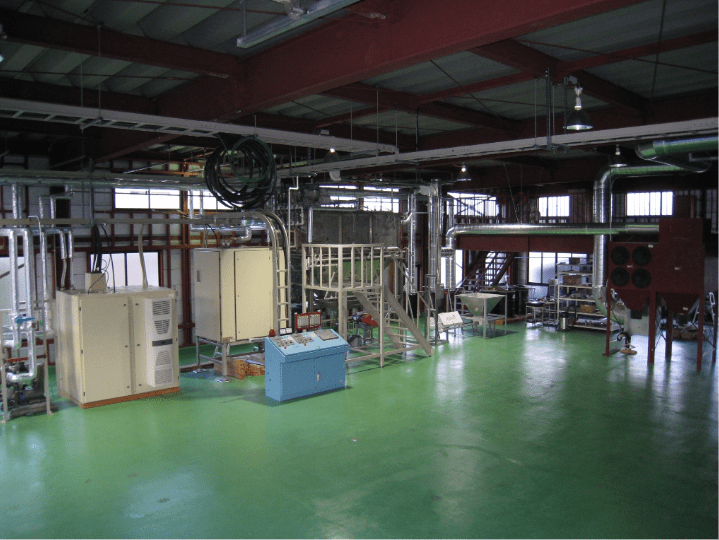
Unit Operation, Yamagata, Japan

To see a commercial PAD-2™ unit operating (2 tonnes per day) click on the image above. You will need to request a password from the team member with whom you are discussing UHTP™ for your solutions.
TECHNICAL QUESTIONS
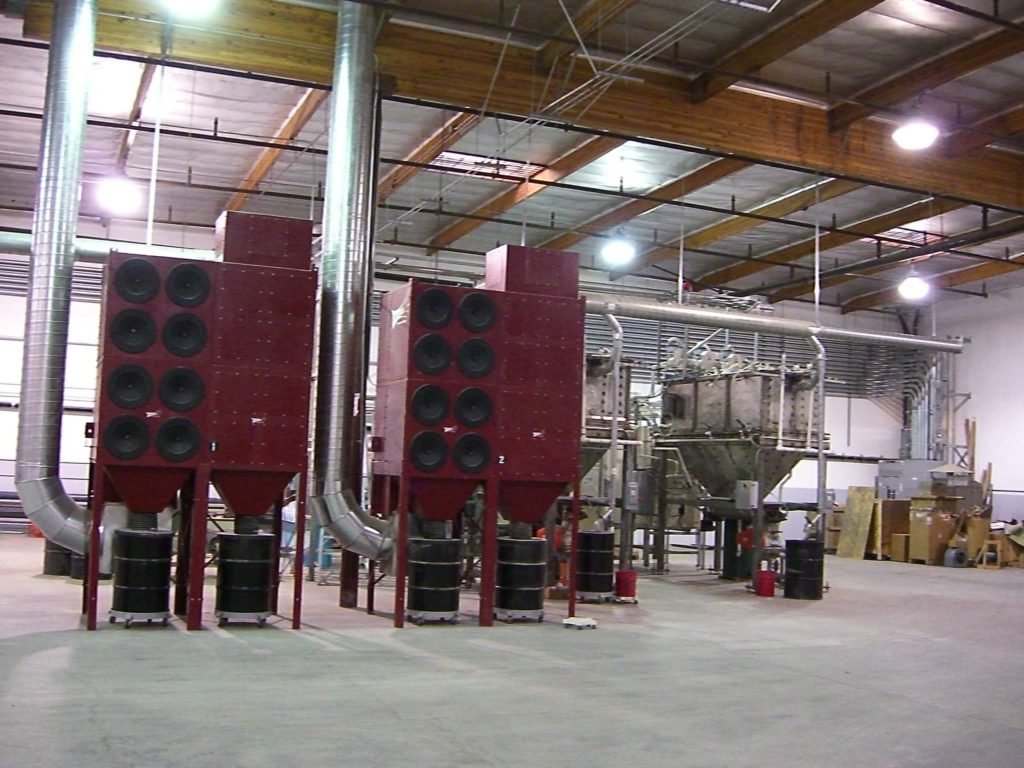
Question 1. What modifications if any, would be required in an existing mineral processing plant to provide suitable feed for a UHTP™ facility?
Answer: The streams selected for UHTP™ require adequate de-watering (between 5% to 10% moisture content) and suitable reduction of non-value carrying mineral structures. Proper engineering and economic evaluations are necessary to determine the optimal streams and hence the necessary pre-processes applied to provide a suitable UHTP™ feed material.
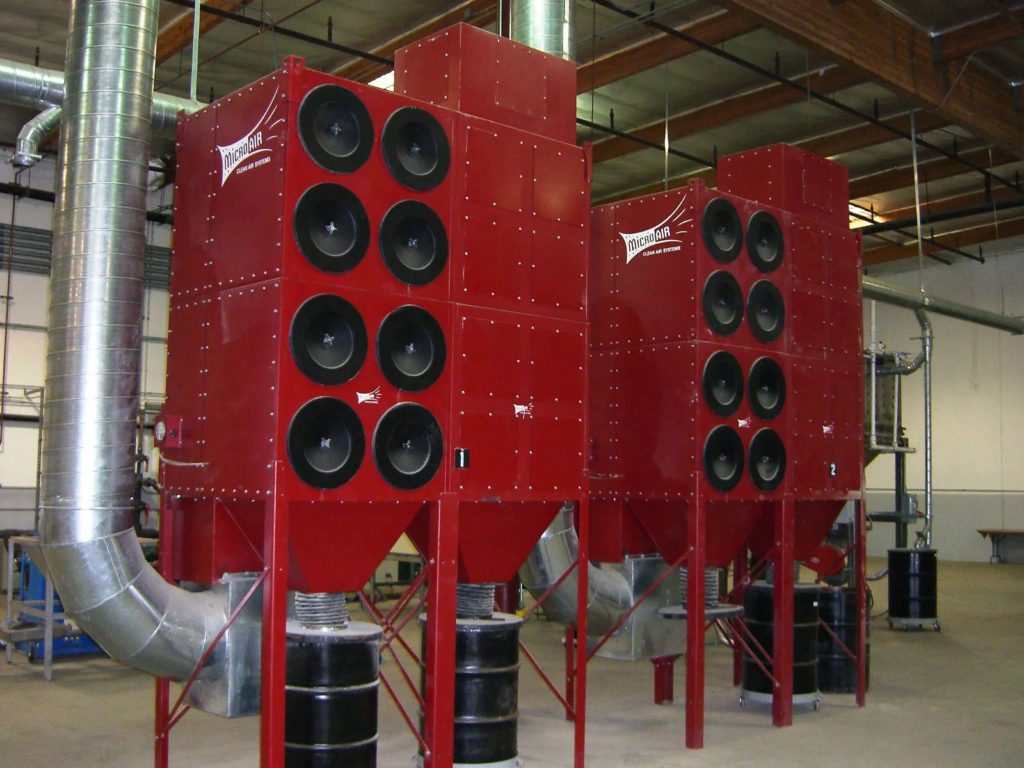
Question 2. Optimal UHTP™ feed material size is between 50 to 150 microns. What about feed that is smaller than 50 mircons?
Answer: The particle size of between 50 to 150 microns is optimum for UHTP™. It can go up to 250 microns but 150 microns is optimal. This size range is typical of existing milling technology (ball, rod, roller). This size range aligns with the existing design of the our handling system for the feed materials and the collection systems for the treated materials. Treated materials are in the size range of 5 to 10 microns.
The minimum particle size is 30 microns. This requires significant design modifications for materials handling and collection systems.
Particle sizes below 30 microns are not suitable unless justified by the value obtained in the output material. This requires elaborate material collection and handling system post treatment to catch fines and dust.
It will always come down to an economic evaluation of the benefits versus the costs.
Question 3. What are the moisture content requirements for the feed material?
Answer: Moisture content should be below 10%.
Question 4. What are the waste products of the process?
Answer: No waste products are generated. All UHTP™ treated materials, either coarse (from the reactor chamber), or fine (from the filter) are products and move on to extraction processes.
Typically all UHTP™ treated materials are mixed together for extraction.
Question 5. What gases are produced by UHTP™?
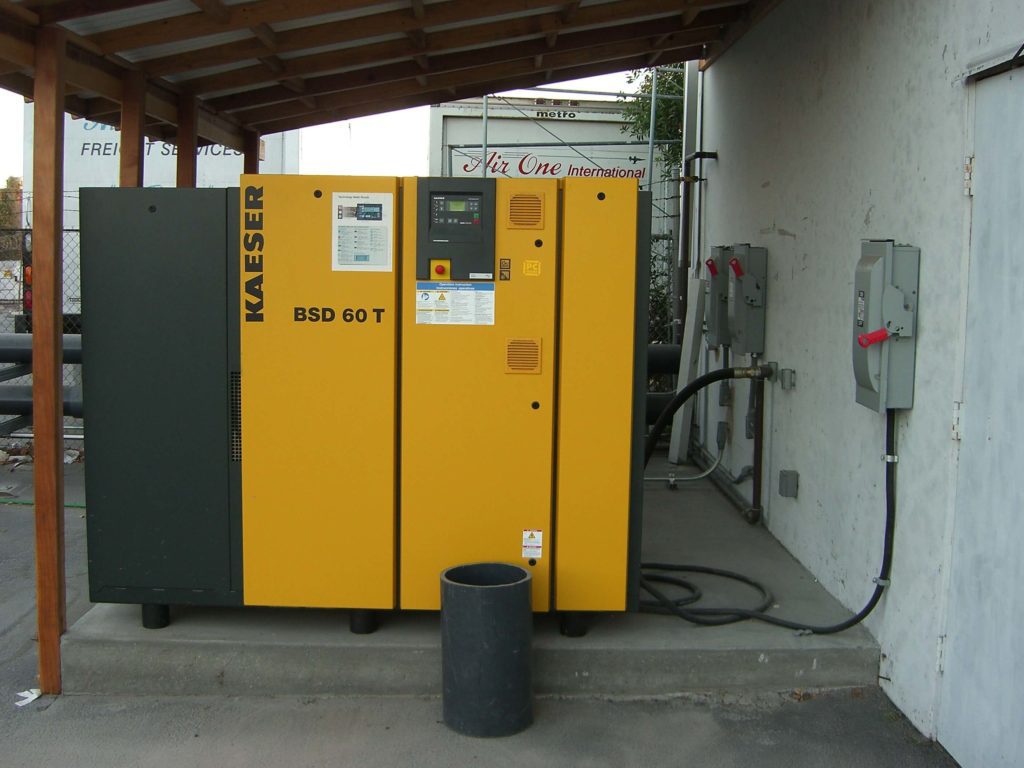
Answer: Off-gases depend on the composition of feed material. Generally the main off-gases will be NOx and CO2. If the feed material contains sulphur or phosphorous then SOx and/or POx will be generated. These are collected using a wet scrubber.
Question 6. When planning the construction of an UHTP™ processing facility, what are the specific infrastructure requirements, with regards to water, electricity and gas supplies?
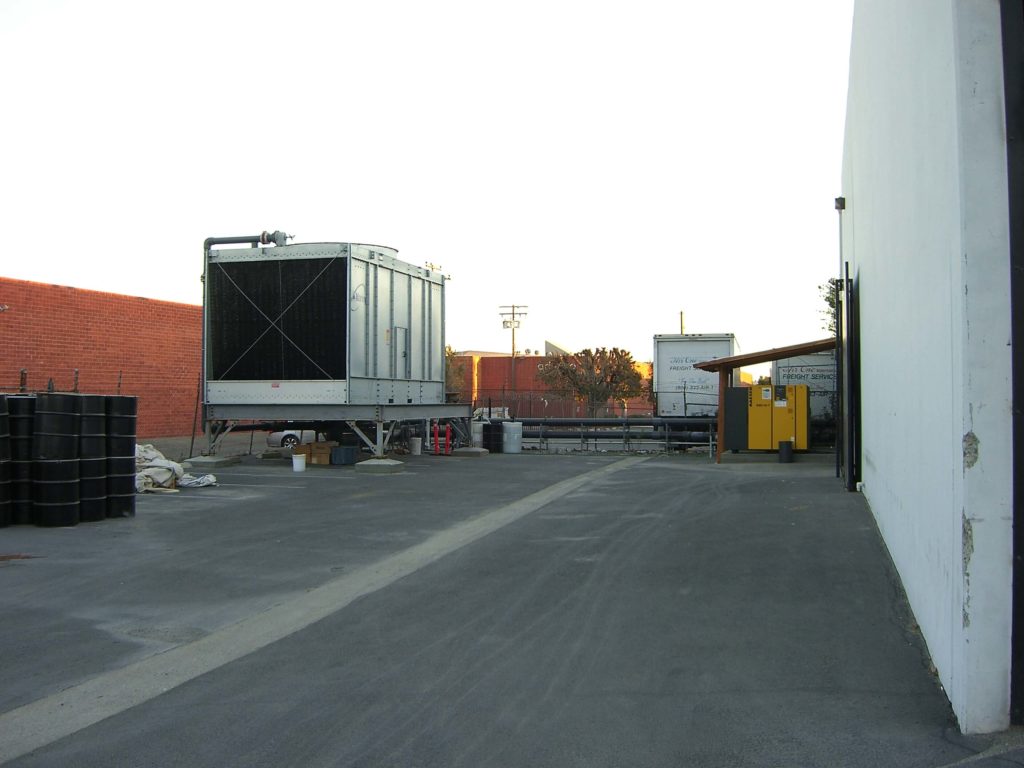
Answer: For a production rate of 100 kg per hour UHTP™ requires:
a. Water cooling tower (with full water re-circulation)
b. Speciality gases for ignition and maintenance of UHTP™ process.
c. Air compressor for utility air supply.
d. Electricity supply: Suitable designed, three phase power.
e. Energy demand will be 300 kW for the UHTP™ core equipment. Total power demand for full UHTP™ unit is 550 kW.
Note: higher production rates lowers the relative power consumption. Also, power consumption depends on the type of feed material. For costing purposes, if the average electricity price is CHF 0.1 per kWh, the production cost will be about CHF 0.5 per kg. In that case, the treatment of 1,000 kg of material would be about CHF 500 for electricity.
In some regions of the world energy prices are less than CHF 100 per tonne for a commercial PAD(TM) or PAO(TM) unit.
Note: 1 CHF ~ 1.1 EURO ~ 1.2 USD
Question 7. What are the space requirements for a 4 tonne per day UHTP™ facility?
Answer: 4 tonnes per day will require 2 units. Each UHTP™ unit requires 20 square meters in area and 4 meters in height.
A total of 1,000 square meters is recommended for the inclusion of a laboratory, office space and storage area.
Question 8. Is it damaging for the facility to be turned on and off? What is the recommended operation time?
Answer: The reactor chamber can be turned off and on as many times as required. However the recommended operation time is 20 to 24 Hours per day to maximise profitability.
Continuous operation is preferred.
Question 9. Are the specific properties and materials in the feed important to the fine tuning of the UHTP™ process, or are all feed material processed in the same way (this would be important, should the feed material owner intend to process materials from different sites through the same UHTP™ facility)?
Answer: Specific properties of feed material are important, but not critical for the process. Some feed materials (e.g. sulphide ore) require additional gas collection equipment and special tuning of the UHTP™ parameters.
Question 10. What is the estimated time to design, procure and install a 2 tonne per day UHTP™ plant?
Answer: It takes us 12 months to fully design, build and test a unit.
Question 11. Can the size of the UHTP™ facility be expanded or is 2 tonne per day the maximum size?
Answer: Experience has shown that depending on the specific gravity of the feed material, the production can be between 2 to 4 tonnes per day.
Also through experience, it has shown that 2 tonnes per day is the optimal size for a UHTP™ unit. Larger power single facilities can be designed, but from an economic point of view (kW/kg, maintenance, operation etc.) it is more practical to install a row of multiple UHTP™ units instead of building a single large one.
Question 12. Are the standard assays carried out pre and post UHTP™ treatment fire assays?
Answer: Yes. We prefer “metal-in-hand” assay – Fire Assay.
Question 13. Is it an absolute fact that the UHTP™ treated material can be processed by conventional methods?
Answer: UHTP™ treated material will always be easier to refine, due to a higher reaction with the chemicals during the standard value material extraction process.
The final section of the UHTP™ consists of filters and scrubbers to collect the fine treated materials. This powder is in the form of particles of less than 1 micron.
The free gold molecules as well as those of palladium, platinum, rhodium and iridium etc. are then recovered and purified through conventional extraction and refining techniques.
Question 14. Could we provide feed material to IPRI.Tech™ for production processing under contract?
Yes, this is our preferred way of working. We ensure through the preliminary testing that your material has sufficiently high yield to make it worthwhile to build a commercially viable UHTP™ facility.
IPRI.Tech™ will do whatever we can to satisfy your requirements.
Question 15. What is recommended for building production scale facilities?
Answer: After we have evaluated your sample material and assessed the results of UHTP™, we recommend that you provide us with your current flow sheet with mass flows, mineral contents and particle sizes for an further evaluation and discussion.
Following this we would make recommendations as to pilot testing and valuation of process parameters.
Question 16. What form of full scale commercial production processing would be available to us?
Answer: There are two options.
1) IPRI.Tech™ can process feed material on contract at its own facilities on equipment owned by IPR.Tech™
or
2) IPRI.Tech™ can be contracted to engineer, procure and construct processing facilities at your location. Contracts will include provisions for operation, licensing and royalties of proprietary and patented technology.
Question 17: Why do some clients express concerns about power usage in plasma technologies?
Answer: Concerns about power usage are common, especially when comparing different types of plasma systems. Many clients are familiar with DC plasma technologies, which can consume more energy. However, our UHTP™ systems, called PAO™ and PAD™ are designed to operate efficiently, even at high temperatures necessary for processing refractory minerals.
Question 18: How does UHTP™ technology achieve high-temperature efficiency?
Answer: Our UHTP™ systems operate at elevated temperatures that are essential for effectively cracking refractory minerals. They are engineered for optimal thermal efficiency, ensuring that the energy input translates into maximum processing output, thereby minimising overall energy consumption.
Question 19: What advantages does a controlled high temperature environment offer?
Answer: The high-temperature environment generated by our UHTP™ creates a controlled atmosphere that significantly enhances the breakdown of refractory materials. This capability not only improves processing efficiency but also reduces the time required for mineral cracking, leading to lower energy costs per processed tonne.
Question 20: How does UHTP™ ensure uniform treatment across materials?
Answer: Our UHTP™ technology generates a uniform energy state, which is critical for consistent treatment of all materials. This uniformity ensures that refractory minerals receive precise processing conditions, enhancing the effectiveness of mineral cracking.
Question 21: Can UHTP™ handle different types of materials?
Answer: Yes! UHTP™ excels in processing a wide range of materials, including both conductive and insulating refractory minerals. Our systems can maintain high temperatures without the risk of arcing or charge build-up, allowing for efficient and effective processing.
Question 22: What are the long-term benefits of using UHTP™ systems?
Answer: Our UHTP™ systems are designed for durability and require minimal maintenance, resulting in long-term operational advantages. This design leads to reduced downtime and lower overall operational costs, making it a cost-effective solution over time.
Question 23. Is there a cash flow model available?
Answer: We prefer clients to determine their own financial projections based upon results we provide from UHTP™ on their materials. As an example only, a starting point could be made with the information below. These figures are indicative only and based on experience with a large number of previous clients. They are not meant to be used to make your economic or investment decisions. You are advised to hire professionals to undertake this work for you on your own data and resources. Caveat emptor.
General estimates and guidelines for an average feed material for one (1) UHTP™ unit. Numbers are similar for either PAO™ or PAD™ units:
a) Assume a 100 gram per tonne gold (Au) ore and it is valued at about USD 7,500 per tonne.
b) A 24 hour per day operation can process 2 tonnes per day of concentrated feed material. Hence gross income could be USD 15,000 per day or about USD 5.5 million per year.
b) The direct cost of the feed material including purchase, concentration, transport, storage varies between 15 to 30% of the gross income.
c) Overhead expenses range between 12% to 20%.
d) Net Operating Income: 50% to 70% of gross.
Question 24. What are the typical maintenance costs for such a plant?
Answer: Maintenance is related to the feed material handling system, the UHTP™ reaction zone and and the environmental filters. Maintenance is recommended every 3 months. With the right care and maintenance, a facility could conceivably remain in operation with no time limitation with no major capital equipment replacements or overhauls aside from that expected from traditional materials handling equipment. We expect a useful operating life of more than 20 years with proper maintenance.
Question 25: How can I learn more about your UHTP™ technology and your PAO™ and PAD™ solutions?
Answer: We invite you to contact us for more information on how our UHTP™ technology can meet your specific needs. We would be happy to arrange a demonstration or provide further details about our solutions.